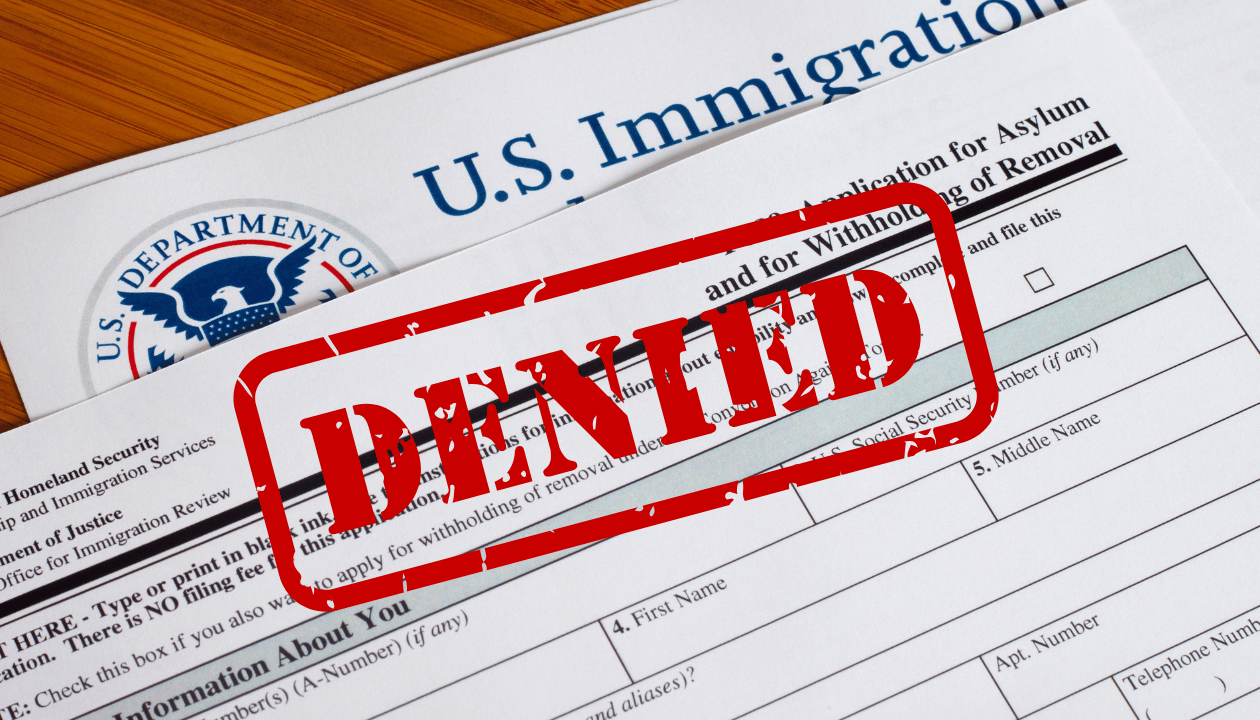
Many professionals rely on the employment-based green card process to build a career and permanent residency in the U.S. But recent data reveals a concerning shift: denial rates have significantly increased in certain categories.
In Q1 FY 2025, 37.2% of EB‑2 NIW petitions were denied, surpassing the denial rate for EB‑1A (25.1%), a historic reversal in adjudication patterns. That’s a big change from prior years, when NIW approval rates hovered around 90%.
Even EB‑1A cases are seeing tougher scrutiny, with denial rates rising to about 25–30% in recent years. Whether you’re applying through an employer or self-petitioning, understanding these trends and knowing how to avoid common pitfalls is becoming essential.
This guide dives into what’s causing denials, real red-flag issues, and the best strategies to strengthen your case and navigate the process successfully.
Denial Rates by Category
Not all employment-based green card categories are treated the same when it comes to approval. Recent denial trends show major differences based on the green card classification and type of petition filed.
EB‑1 Category: Extraordinary but Under Scrutiny
The EB‑1 category, especially for individuals with extraordinary ability (EB‑1A), has always had tough standards, but things have gotten even harder.
- In 2023, nearly 30% of EB‑1A petitions were denied.
- EB‑1B (for outstanding professors/researchers) saw a 35% denial rate, and
- EB‑1C (multinational managers) was denied about 25% of the time.
Even with a strong background, applicants must prove their eligibility under strict legal definitions. Failing to do so or lacking complete documentation can result in fast denials.
EB‑2: NIW Denials Now Outpacing EB‑1A
The EB‑2 National Interest Waiver (NIW) path was once considered easier. That’s changed.
- FY 2025 Q1 data shows 37.2% of NIW petitions were denied, more than EB‑1A’s 25.1%.
This spike reflects a stricter interpretation of national benefit, as USCIS now requires detailed evidence of impact, not just potential.
EB‑3: Still the Safest Bet
EB‑3 petitions for skilled, professional, and other workers continue to perform well.
- Denial rates hover between 10 and 15%, making this the most stable option for employer-sponsored green card seekers.
As long as labor certification is properly completed and the employer can verify financial resources and job legitimacy, approval is likely.
Adjustment vs. Consular Filing
Denial risk also depends on where the green card is processed.
- Inside the U.S. (adjustment of status), denials are low, just ~4% for employer-based cases in recent years.
- At a consulate abroad, things were once stricter; 61% were denied in 2019, but recent improvements mean far fewer denials now.
Top Reasons Why USCIS Denies Employment-Based Green Cards?
1. PERM Certification Issues (EB-2/EB-3)
Employers often stumble at the earliest stage PERM labor certification. In 2025, PERM adjudications averaged about 12–14 months when not audited, and audits occurred in roughly one-quarter of applications. If the company fails to document recruitment correctly or if job descriptions are tailored improperly, the DOL may deny the labor cert, and the immigration authorities will reject that underlying petition.
📌 News: PERM processing delays still hover over 500 days, and audits often result in denial if employers aren’t audit-ready.
2. Qualification or Evidence Gaps in the I-140
Even after labor certification, USCIS scrutinizes the applicant’s credentials. EB‑1A cases frequently fail due to weak proof of sustained acclaim, while EB‑2 NIW petitions now receive denial rates over 37%, outpacing EB‑1A. If USCIS finds insufficient evidence, like a lack of scholarly impact or a weak national interest narrative, the petition is denied, delaying any chance at adjustment of status or immigrant visa processing.
3. Employer Financial Weakness or Ineligibility
USCIS requires proof that the sponsoring employer can pay the offered wage from the priority date forward. Failed demonstrations of financial status, such as net losses or insufficient tax returns, and signs of a “shell” organization are common denial causes. This can be particularly perilous for small businesses or startups.
4. Filing Errors and Documentation Mistakes
Simple mistakes like inconsistent job classification, omitted filing fee, missing translations, or mismatches between PERM and I‑140 often lead to denials. Even minor insufficient evidence or typos can cause irreversible delays or outright rejections by citizenship and immigration services.
5. Inadmissibility: Immigration Violations or Criminal Issues
Regardless of the petition’s strength, applicants may be denied at the adjustment stage if they have prior immigration violations, unauthorized employment, certain criminal convictions, or a history involving crimes of moral turpitude, drug trafficking, or money laundering. USCIS may also refuse an applicant with a false marriage certificate or a marriage fraud claim. Proper disclosure and potential waivers are critical.
6. Public Charge or Financial Concerns (Rare but Possible)
Although public charge denials are rare in employment-based cases, USCIS may still review whether an applicant is likely to rely on government assistance or benefits. Evidence of employment income or lack thereof can prompt further scrutiny, although the strict rule in effect before 2021 has been rescinded.
7. Medical and Security Red Flags
Applicants must pass a medical examination by a government-approved doctor. Undisclosed health concerns, communicable diseases, or a physical or mental disorder may trigger medical inadmissibility. Security-screening delays, including random biometric requests, have increased, reflecting a broader federal effort to counter visa fraud.
📌 News: USCIS recently supported criminal indictments tied to a large-scale fraud scheme involving EB‑2/EB‑3 petitions and money laundering allegations.
Shifting Trends in USCIS Denials (2023–2025)
Between 2023 and 2025, the environment around employment-based green card applications has shifted sharply. One clear trend is the rise in USCIS fraud detection efforts targeting suspicious petitions and shell setups. That heightened scrutiny has led to a significant increase in referrals for criminal investigation and case denials even after initial approvals.
Even more notable is the sharp surge in EB‑2 NIW denials, which now exceeds EB‑1A rejection rates. In Q1 of FY 2025, 37% of NIW self-petitions were denied, while EB‑1A denial stood at about 25%. This reversal reflects a higher standard for proving national benefit under the Dhanasar framework.
At the same time, PERM audit rates remain elevated. As of mid-2025, about 30% of PERM applications face integrity reviews, with audited cases showing denial rates as high as 40–67%, especially when documentation is incomplete or suspect. These audits often substantially delay processing and increase the risk of green card denials upstream.
The Biden administration has also reinstated USCIS policy requiring an RFE-first approach, replacing earlier rules allowing outright denials without warning. While this provides more opportunity to respond, officers are still scrutinizing every detail intensely. Employers and applicants must submit impeccable documentation up front or risk early-case termination by the Citizenship and immigration services.
Real-World Denial Scenarios to Learn From
Even the most qualified green card applicants can be denied if critical details are overlooked. Here are real-world examples (paraphrased and anonymized) that reveal how avoidable mistakes can derail an otherwise strong employment-based green card case.
Case 1: EB-2 Denied Due to Misjudged Degree Equivalency
A software engineer from India with a three-year foreign bachelor’s degree filed under EB-2. The experienced immigration attorney failed to secure a credential evaluation showing equivalency to a U.S. four-year degree. USCIS ruled that the applicant did not meet the minimum requirements, and the petition was denied. Lesson: Always confirm if your education matches the category’s criteria before filing.
Case 2: PERM Denied Over Narrow Job Description
A mid-size startup submitted a PERM for an engineering role. The immigration law firm used highly specific job requirements that matched only the foreign worker’s resume. DOL flagged this as tailored recruitment and denied the labor certification. Outcome: the entire case collapsed before even reaching I-140. Employers must use objective, business-standard qualifications to avoid red flags.
Case 3: Adjustment Denied Due to Expired Immigration Status
A researcher filed Form I-485 while in the U.S. on an expiring visa. Due to delays and poor legal guidance, they failed to maintain a valid immigration status before submitting the adjustment. USCIS denied the application, and the applicant had to shift to consular processing, causing months of delay and stress. Maintaining immigration status through the process is essential.
Case 4: EB-1A Rejected for Insufficient Documentation
A self-petitioner in the EB-1A category cited several academic publications and a leadership role in their field. However, they provided no third-party evidence of their impact (no citations, no press coverage, no awards). USCIS found the case lacked sustained acclaim. In such high-bar categories, detailed immigration law documentation matters more than titles alone.
These examples underscore why working with knowledgeable immigration attorneys and avoiding assumption-based filing is critical. Each step of the process, from selecting the right category to preparing evidence, requires accuracy, strategy, and foresight.
How to Avoid an Employment-Based Green Card Denial
After investing years into your employment-based green card process, a denial can feel devastating, but many are preventable. Here’s how applicants and employers can stay ahead.
Frontload All Required Evidence from the Start
The green card application process demands thorough documentation. Submitting complete documentation up front, such as proof of experience, credential evaluations, and all required forms, minimizes Requests for Evidence and delays. Every underlying petition should include certified copies, properly translated if foreign, and labeled clearly. A valid immigration status must also be documented from the outset.
Nail the PERM Process (for EB-2/3)
Labor certification (PERM) remains a crucial step. Recent data shows that about 30% of PERM applications face audits, and audited cases can have denial rates as high as 40% when employers lack supporting recruitment records or job classification. Careful record‑keeping and standardized job requirements can help avoid PERM denial and keep your case moving.
Confirm Employer’s Ability to Pay and Legitimacy
USCIS evaluates the sponsoring company’s financial status and legitimacy closely. Provide payroll summaries, tax returns, or annual reports to prove the company can pay the proffered wage. Weak financials can lead to denial, even if the beneficiary qualifies. Small businesses should anticipate extra scrutiny and proactively support their credibility.
Double-Check All Forms & Translations for Accuracy
Petitions have been denied for something as simple as an untranslated birth certificate or conflicting names across forms. Always verify dates, names, and salaries for consistency. Any supporting documents in foreign languages must include a certified English translation. USCIS rejects documents that don’t meet this rule. A second review by your immigration attorney can prevent these small yet costly mistakes.
Prepare for and Respond Effectively to RFEs
A well-prepared case may still receive a Request for Evidence (RFE). Take this seriously. Respond with precise, clearly indexed evidence. If USCIS asks for employer proof of viability or missing experience details, reply with accurate financials or employer letters. Treat every RFE as a second chance, not a formality.
Use the Right Category for Your Credentials
Choosing the wrong employment-based petition category can doom your case. For instance, someone who lacks peer-reviewed publications or major industry acclaim should reconsider an EB-1A filing. Likewise, a foreign bachelor’s degree holder without enough experience may not qualify for EB-2. Each green card category has specific requirements that match your credentials accordingly.
Work with an Experienced Immigration Lawyer
Given the complexity of today’s immigration system, hiring an experienced immigration attorney is one of the best ways to prevent costly mistakes. They help navigate USCIS policies, respond to RFEs, and ensure compliance with evolving regulations. Most importantly, they know how to build cases that align with citizenship and immigration services standards and maximize your approval chances.
Final Takeaways for Employers & Applicants in 2025
The current climate for employment-based green card cases demands precision, proactive planning, and legal strategy at every step from PERM certification to filing Form I‑140 and navigating either adjustment of status or consular processing. Even strong credentials can be undermined by minor missteps or incomplete documentation, especially with heightened scrutiny across EB-1 and EB-2 categories.
Despite the perception that EB-2 NIW is easier, official USCIS data for FY 2024 shows a drop in NIW approval rates from 79.99% in FY 2022 to 43.31%, paired with a denial rate of 17.71%, and nearly 39% of cases still pending. Meanwhile, EB-1A approval rates also declined to about 60.65%, with a rising denial rate of 23.32%. This shift highlights the urgent need for credible supporting evidence and legal rigor.
Clear steps help mitigate risk: monitor the visa bulletin, maintain valid immigration status, verify every form, and respond swiftly to any Requests for Evidence. Employers should detail financial viability and job legitimacy; applicants must align their credentials to the correct category.
A strategic partnership with an experienced immigration attorney provides essential guidance through evolving USCIS standards and helps avoid denials before they happen. In this changing environment, preparation, not hope, dictates success.
Don’t Let a Denial Stop Your Career in the U.S.
A green card denial can feel like a devastating roadblock, but it doesn’t have to be the end of your journey. With the right guidance, many cases can be reversed, refiled, or strengthened to meet current standards.
The Chidolue Law Firm helps skilled professionals and employers avoid costly mistakes and fight back after denials. Whether your issue is PERM-related, documentation-based, or due to prior immigration violations, we know how to fix it.
📞 Call The Chidolue Law Firm today at:
➡ 407-995-6567
➡ 678-325-1037
💬 For WhatsApp inquiries, message us at:
➡ 404-333-8751
Your career, your future, and your permanent residency are worth protecting. Let us help you get it right.