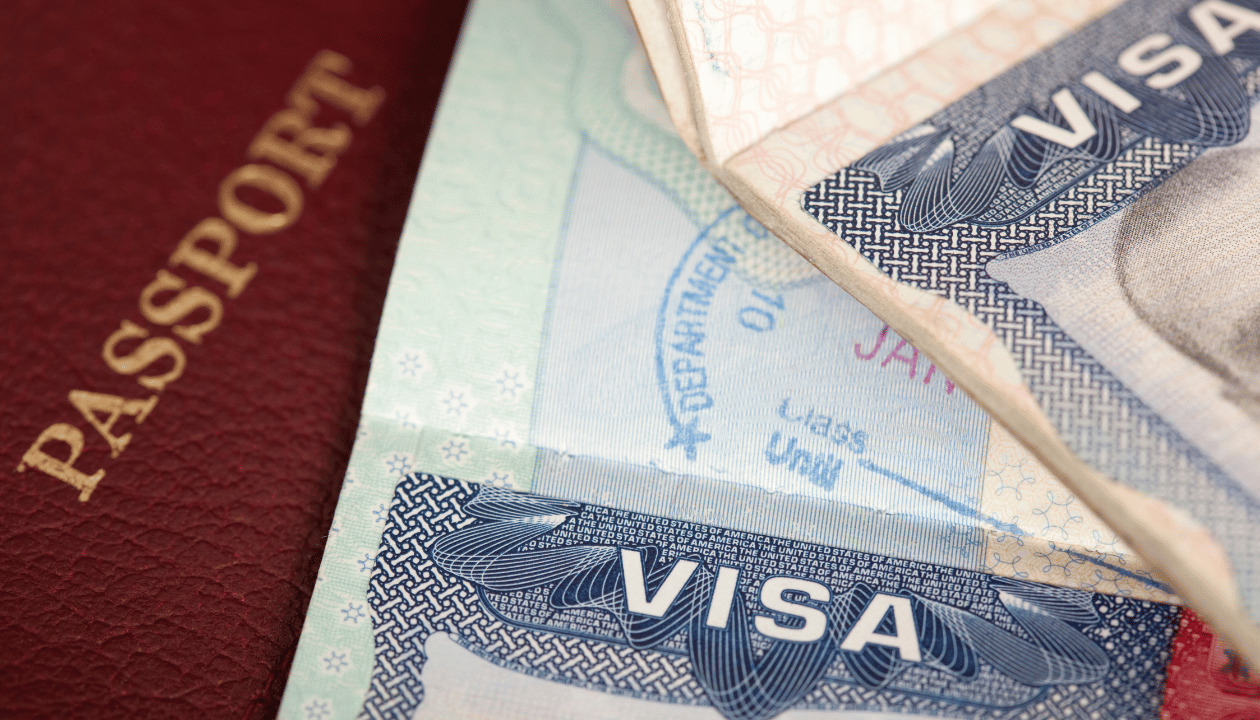
Survivors of exploitation often ask the same question: What is the real difference between a T Visa vs U Visa? Both protect victims under humanitarian law but serve different groups. T Nonimmigrant Status helps people harmed by a severe form of human trafficking, while U Nonimmigrant Status aids victims of certain qualifying crimes who assist law enforcement.
As of September 9, 2025, USCIS confirmed it has already reached the annual cap of 10,000 U-1 visas, a limit met every year since 2010, showing the strong need for this relief option.
Applicants use Form I-914 for the T Visa and Form I-918 for the U Visa. This article offers a clear, trauma-informed comparison to help victims and advocates understand eligibility, cooperation rules, and how both paths can lead to a green card.
Understanding T and U Nonimmigrant Status
Both T Nonimmigrant Status and U Nonimmigrant Status were created to protect victims of exploitation while assisting law enforcement investigations. The Victims of Trafficking Visa (T) offers relief to individuals who have endured a severe form of human trafficking, such as sex or labor exploitation, and remain in the U.S. due to the trafficking. According to USCIS data, 2,182 T visas were approved in FY 2023, showing continued recognition of trafficking survivors and their right to protection.
The Victims of Crime Visa (U) assists those harmed by qualifying criminal activities, including domestic violence, sexual assault, or kidnapping, who have suffered serious abuse and cooperated with law enforcement. Both programs provide lawful presence, work authorization, and a pathway toward adjustment of status, embodying a victim-centered and trauma-informed approach under the Trafficking Victims Protection Act (TVPA) and Battered Immigrant Women’s Protection Act.
Key Differences Between T and U Visas in 2025?
While both visas protect survivors and encourage cooperation with law enforcement, their eligibility rules and benefits differ in important ways. The T Visa focuses solely on victims of severe forms of human trafficking, including sex and labor exploitation involving force, fraud, or coercion. Applicants must show they are in the United States because of the trafficking and that returning home would cause extreme hardship.
By contrast, the U Visa covers a broader list of qualifying criminal activities, such as domestic violence, sexual assault, kidnapping, and trafficking itself. Applicants must prove they suffered substantial physical or mental abuse and have been or are likely to be helpful to authorities. A signed Law Enforcement Certification (Form I-918B) is mandatory for U Visa cases.
According to USCIS data, more than 186,000 U visa petitions were pending as of FY 2024 due to the annual 10,000-visa limit, while T visas have never reached their 5,000 cap, highlighting the sharp difference in backlog and demand.
Both pathways lead to lawful presence, work authorization, and potential adjustment to permanent residency, but choosing the right one depends on the nature of the victimization, cooperation level, and legal strategy crafted by an experienced immigration attorney.
Eligibility Requirements in 2025
T Nonimmigrant Status applies to survivors of a severe form of human trafficking. The person must be physically inside the United States because of the trafficking, must show they would face extreme hardship if removed, and must demonstrate reasonable cooperation with authorities unless exempt due to age or trauma. Evidence must be credible, trauma informed, and detailed through medical documentation, affidavits, psychological evaluations and proof of coercion or exploitation.
U Nonimmigrant Status applies to survivors of a qualifying crime who suffered substantial physical or mental abuse. They must show they have information about the crime and were helpful or are likely to be helpful to law enforcement, supported by a signed law enforcement certification. USCIS shows that U visa demand remains extremely high, with more than 46,400 petitions received in FY 2023.
Both visa types require credible supporting evidence and a legal strategy because eligibility depends on the quality of proof, not just the existence of victimization.
Application Process and Evidence
Both petitions are filed directly with USCIS. Survivors complete Form I-914 for T Nonimmigrant Status and Form I-918 for U Nonimmigrant Status, with Form I-914A or I-918A used to include eligible family members. Applicants for a U Visa must also include Form I-918B (Law Enforcement Certification) signed by a certifying officer verifying their helpfulness in an investigation or prosecution.
Strong evidence is essential in both processes. Affidavits, medical evaluations, police reports, expert statements, and psychological assessments help establish credibility and document the trauma endured. Every document must be truthful, detailed, and trauma-informed to withstand adjudication review.
According to USCIS, as of March 29, 2023, current processing times for U Visas are 59 to 60.5 months from receipt to the issuance of a Bona Fide Determination or wait-list placement notice. By contrast, T Visa petitions are typically reviewed faster since their 5,000-visa cap has never been reached.
Both processes require professional preparation, because a single missing form or weak affidavit can delay relief for years — something our attorneys work carefully to prevent.
Family Members and Derivative Benefits
Family unity is at the heart of both humanitarian visa categories. When a survivor receives T Nonimmigrant Status or U Nonimmigrant Status, their closest relatives may also qualify for protection as derivative beneficiaries. This can include spouses, children, and, in certain T Visa cases, parents or younger siblings when there is a credible risk of retaliation or harm. These benefits ensure that survivors are not forced to rebuild their lives alone and that dependents remain legally protected from removal while cases are under review.
According to USCIS data, more than 191,642 principal petitions were pending by early 2023, and wait times now stretch beyond six years on average, with some estimates reaching 15–20 years for new applicants. Despite this backlog, family-based protections continue to serve as a critical bridge for survivors striving to keep loved ones together during long adjudication periods.
These humanitarian provisions reflect a trauma-informed, family-centered approach that gives survivors and their dependents stability, lawful presence, and the opportunity to heal together.
Pathway to Green Card and Permanent Residency
Survivors who receive T Nonimmigrant Status or U Nonimmigrant Status can take meaningful steps toward long-term stability through lawful permanent residency. After maintaining status for at least three continuous years, eligible applicants may file Form I-485 to adjust to permanent resident status under 8 CFR § 245.23 (T Visa) and 8 CFR § 245.24 (U Visa).
A major advantage of the T Visa is that there is no annual limit on Green Cards, allowing qualified applicants to move forward once they meet all requirements. In contrast, U Visa holders must often wait longer due to yearly statutory caps, which can delay the adjustment process.
For both categories, applicants must demonstrate continued cooperation with law enforcement, compliance with USCIS requirements, and good moral character. Once approved, adjustment of status transforms temporary protection into lasting security and opens the door to future U.S. citizenship through stability, lawful presence, and safety.
Common Challenges and Delays
Many survivors encounter frustration when waiting for T Visa or U Visa relief because of system-wide challenges and delays. One major hurdle is the backlog of pending petitions and decisions. According to data from the Executive Office for Immigration Review (EOIR), as of July 2024, there were nearly 3.5 million pending immigration court cases, showcasing the scale of delays across related immigration processes.
Additional delays may arise when law-enforcement certifications are slow or missing in U Visa cases, or when applicants face evidence gaps such as missing affidavits, medical records, or trauma evaluations. Despite these challenges, delays are common and don’t mean your application is doomed. Experienced attorneys can help by reviewing your documentation, preparing responses to Requests for Evidence (RFE), and helping monitor your case status so that you and your family stay informed and ready.
Legal Help for Crime and Trafficking Victims
Facing the immigration system after experiencing crime or exploitation can be overwhelming. Many people feel unsure where to begin, worried about deadlines, and afraid of making mistakes that could delay relief. Having a knowledgeable, compassionate legal team beside you makes all the difference.
At The Chidolue Law Firm, our attorneys offer trauma-informed representation that prioritizes your privacy, safety, and peace of mind. We guide clients through every step from preparing petitions and obtaining law-enforcement certifications to organizing family-based filings and responding to USCIS requests. Each case is handled with the care and precision needed to protect your future.
📞 Call The Chidolue Law Firm today at:
➡ 407-995-6567
➡ 678-325-1037
💬 For WhatsApp inquiries, contact us at:
➡ 404-333-8751
You deserve protection, stability, and a future built on safety and trust. Let our experienced attorneys help you move forward toward healing and lawful security in the United States.