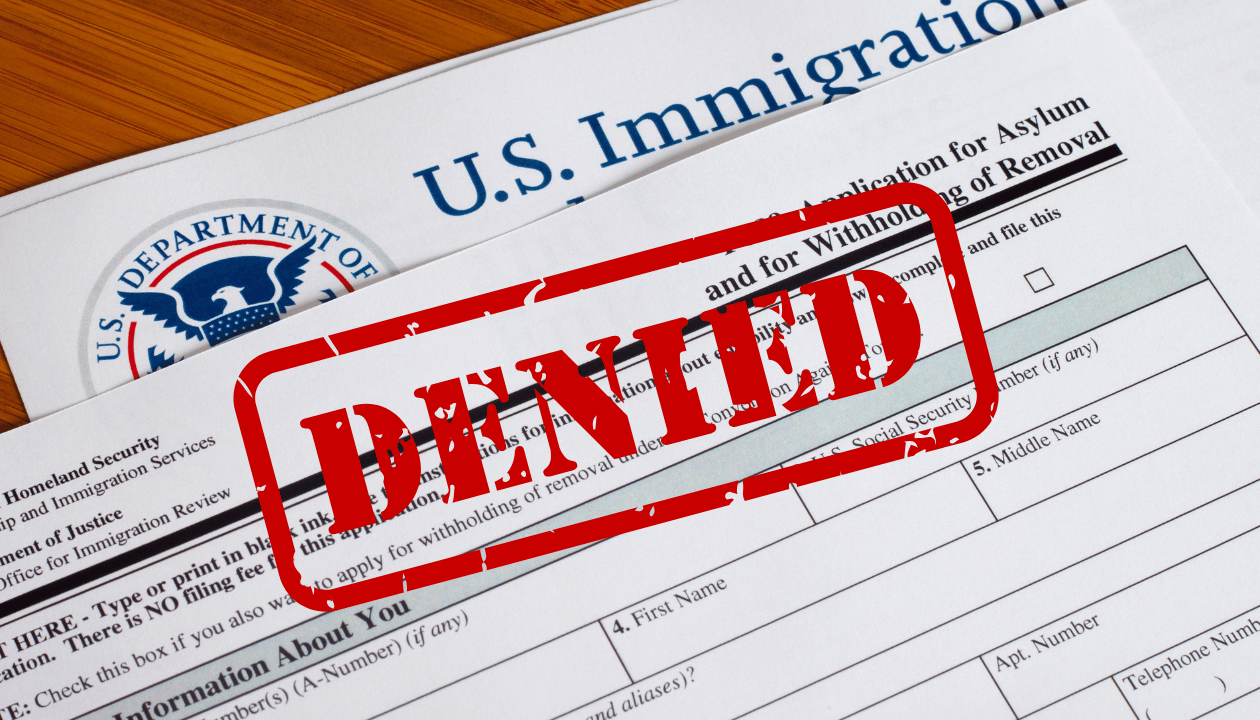
An I-130 denial can feel like everything you planned for your family just slipped out of reach. After all the effort gathering marriage certificates, locating a child’s birth certificate, and showing your family relationship, you’re told that USCIS denies the petition. No explanation that makes sense. Just a denial notice that leaves you stuck.
But this isn’t the end.
The truth is, many families receive I-130 denials each year for reasons that can be fixed. Sometimes it’s missing information. Other times, it’s a misunderstanding about a qualifying relationship or badly photocopied evidence that didn’t translate well. And yes, even U.S. Citizenship and Immigration Services (USCIS) makes mistakes.
This article will walk you through what went wrong, how to respond, and which legal step makes sense next. You might refile your visa petition, request immigration appeals, or start consular processing again. With the right immigration lawyer and the right guidance, you still have a real chance to reunite with your family member in the U.S.
Let’s Understand Form I-130 and What It Does
Before going too far into the reasons behind a denial, it’s important to know what Form I-130 actually does.
This is the Petition for Alien Relative, and it’s the first step for any U.S. citizen or green card holder who wants to help a family member apply for a green card. You’re not asking for immigration benefits, yet you’re simply telling U.S. Citizenship and Immigration Services that a real family relationship exists. The I-130 sets the foundation. Without it, nothing moves forward.
Who can file this petition?
U.S. citizens can file for a spouse, unmarried or married children, siblings, or parents. Green card holders are also called lawful permanent residents, can file for a spouse or unmarried children. But only if the relationship meets all eligibility requirements and you can provide evidence to prove it.
Who can’t file?
You can’t file Form I-130 for cousins, grandparents, in-laws, or if the child was born after a stepparent relationship started. Some petitions get denied just because the wrong kind of relative was listed.
And here’s why the petition matters: when USCIS approves an I-130, your family member can begin applying for lawful status through consular processing or adjustment of status. Without approval, their green card path stays closed.
Top Reasons Why I-130 Petitions Get Denied in 2025
The I-130 visa petition is often denied because of simple mistakes, missing details, or problems that weren’t addressed before filing. In 2025, here’s what we’re seeing most often:
- Not enough proof of a real relationship
Submitting only a marriage certificate isn’t enough. USCIS wants evidence of a shared life, like joint leases, photos, or shared financial records. - Criminal history
If either the petitioner or beneficiary has certain convictions, the petition may be denied unless proper waivers are filed in advance. - Mismatch between documents and forms
Even small inconsistencies—like different addresses or name spellings—can raise red flags during review or interviews. - Suspected fraud or marriage for immigration purposes
If USCIS suspects a sham marriage, they may deny the case outright even if the green card holder or citizen believes the relationship is real. - Petitioner’s immigration status was not valid when filing
You must be a U.S. citizen or a lawful permanent resident in good standing. Expired green cards or unresolved removal issues often cause rejections. - USCIS made a mistake or misfiled your case
Sometimes, the denial happens due to USCIS error, such as missing a document you actually submitted. - Lack of key supporting documents
A missing birth certificate, divorce record, or proof of a qualifying relationship can lead to a fast denial.
Real Case Triggers We’re Seeing Now
In 2025, we’re seeing more I-130 denials tied to specific patterns. These aren’t just one-off mistakes—they’re showing up again and again across different USCIS service centers.
Newlyweds with little shared proof
Many couples get denied because they rely only on marriage certificates. Without joint accounts, shared leases, or real-life evidence, USCIS denies the petition, even if the relationship is real.
RFE spikes for South Asian and Middle Eastern applicants
Indian, Pakistani, and Middle Eastern families are getting flooded with Requests for Evidence (RFEs). Most are about missing birth certificates or old documents from back home that don’t match current records.
Step or adoptive relationships under a microscope
Cases involving a stepchild or adopted child face extra scrutiny. If the family relationship wasn’t legally established before the child turned 18 or if documents are unclear, citizenship and immigration services may reject the petition.
Financial concerns leading to quiet denials
In borderline cases, where the petitioner’s income is just enough, we’re seeing public charge issues quietly impact approvals. These aren’t always labeled as “public charge” in the denial notice, but the signs are there.
How to Respond After a Denial
Getting a denial notice can feel like a door slammed shut, but it’s not the end of your immigration journey. You still have a few options, and the next right step depends on what went wrong with your original visa petition.
Start by reading the denial letter carefully:
USCIS sends a formal notice that explains why the I-130 was denied. Sometimes it’s due to missing additional evidence, other times it’s about questions over your family relationship. The reason will shape your response.
Figure out if it was a procedural or factual issue:
Did you forget to submit a required birth certificate or leave out a signature? That’s procedural. If USCIS says your relationship isn’t genuine, that’s a substantive issue and usually harder to fix.
Consider your options: refile or appeal:
If the issue was simple, like missing information, re-filing may be faster. But if USCIS misunderstood your case, an appeal to the Board of Immigration Appeals might be the stronger route.
Get legal help before making a move:
Talk to an experienced immigration attorney. They can tell you if your best shot is to refile, appeal, or file a waiver. Mistakes in your next filing can close doors for good.
You don’t have to figure this out alone.
Option 1: Refiling the I-130 — When It Makes Sense
Sometimes, starting over is smarter than challenging the original decision. If your denial notice points to missing documents, confusing language, or poor formatting, refiling the I-130 may be the cleanest path forward, especially if new evidence is now available.
In 2025, many foreign nationals are refiling after realizing their initial submission lacked clarity or failed to clearly show a qualifying family relationship. We often see cases where the couple didn’t submit enough evidence of shared life, joint leases, photos, child birth certificates, or where badly photocopied marriage certificates raised red flags. These are common reasons USCIS denies petitions, but they don’t always mean the relationship isn’t real.
Before refiling, review the USCIS website carefully and gather every document you missed the first time. Recheck dates, spellings, and addresses, and make sure each form is properly signed. Pay the correct USCIS fees and confirm the current filing fee using the latest Form I-130 instructions.
Also, think about timing. If your child was born after the first filing or your life circumstances have changed, like you now live together, or have new shared financial records, your case may be much stronger now. But be sure to contact USCIS or work with an immigration attorney to avoid repeating the same mistakes.
It’s not about filing fast. It’s about filing smart.
Option 2: Filing an Appeal — When It’s Necessary
Sometimes, an I-130 denial needs more than a second try—it needs a direct challenge. If you believe the decision was legally wrong or based on a misunderstanding, an appeal might be the next move.
To start, the correct form is EOIR-29. It must be filed within 30 days of the denial notice, unless USCIS says otherwise in writing. Late submissions almost always get rejected without review.
The appeal goes to the Board of Immigration Appeals (BIA). In some cases, you’ll need to attach a legal brief—especially if the denial involved a complex family relationship, missing information USCIS already had, or misapplied eligibility rules. Be clear, structured, and avoid emotional arguments.
One key warning: don’t use Form I-290B. That form is for other types of USCIS actions. Using the wrong appeal form is one of the most common reasons a case never gets seen by the BIA.
Finally, appeals carry more risk than refiling. If you’re unsure whether your case is strong enough, or if your relationship was questioned due to a child born outside the marriage or a step-relative, get a full review by an immigration attorney first. You don’t get a second chance once the BIA rules.
Waiver Possibilities if the Denial Is Based on Inadmissibility or Misrepresentation
When USCIS denies an I-130 petition because the foreign national is found inadmissible due to past fraud, a prior deportation, or misrepresentation, there’s often one narrow door left open: a waiver. But not everyone qualifies.
In most family-based immigration cases, you may file Form I-601 or I-212 to ask USCIS to forgive the issue and restore your eligibility. These waivers are only considered if a qualifying U.S. citizen or lawful permanent resident, usually a spouse or parent, would “suffer extreme hardship” without you.
Extreme hardship means more than just emotional pain. It could involve a U.S. family member facing severe medical issues, financial collapse, or needing to move to a country where they lack access to care, stability, or safety. Each case must include strong evidence to back these claims letters from doctors, records, and detailed statements.
However, not all denials can be waived. Cases involving a sham marriage, false documents, or attempts to defraud immigration services often leave no room for reconsideration. USCIS takes intent seriously, especially if past actions show a pattern.
It’s also important to understand what counts as inadmissibility under the Immigration and Nationality Act. For example, a person barred for unlawful presence may need different relief than someone denied due to criminal history.
If your denial notice mentions misrepresentation or grounds of inadmissibility, don’t rush into another filing. Instead, speak with an immigration lawyer who can guide you through waiver options and check if you even qualify.
Avoiding Denial Next Time: Smart Filing Tips
If you’re preparing to refile or help a family member start fresh, you need more than just hope. USCIS looks for accuracy, evidence, and eligibility. Start by confirming your qualifying relationship—spouse, child born in or out of wedlock, or other eligible relative.
Next, check every detail. Common reasons for denial include mismatched names, wrong birth certificate dates, or a missing address. These issues might seem small, but they can stop your visa petition from moving forward.
Always provide strong proof of a shared life: marriage certificates, a child’s birth certificate, photos, and joint records. Poor translations or badly photocopied pages often get flagged by service centers, so take care with every document.
If the person you’re sponsoring had prior removals or criminal charges, consult an immigration attorney before refiling. It’s better to spend time preparing than lose another filing fee.
And don’t forget to monitor your USCIS online account. That’s where you’ll see case status updates, requests for additional evidence, and fee alerts.
How Chidolue Law Helps Families Rebuild After Denial
An I-130 denial doesn’t have to be the end of your family’s immigration journey. At Chidolue Law Firm, we guide families through waivers, immigration appeals, and complete I-130 re-filings with strategy and care. We help correct paperwork, strengthen supporting documents, and prepare clear testimony when needed.
We also track USCIS policy updates like changes to how step-relatives are reviewed or what counts as valid evidence, so you don’t fall behind. From form revisions to real case prep, our team ensures your petition is not only ready but respected.
You deserve more than a second try. You deserve a real plan.
Reclaim Your Family’s Path Forward — Before It’s Too Late
An I-130 denial doesn’t always mean the end—it often means something was missing, unclear, or misunderstood. Many families in 2025 are still eligible to refile, respond with better evidence, or appeal the decision through the right legal process.
But USCIS deadlines move fast. Missing the 30-day appeal window or submitting outdated paperwork can create lasting delays.
At The Chidolue Law Firm, we help you make sense of your denial notice, determine your best next step, and prepare a case that reflects your real family story. From re-filings to appeals to hardship waivers, we guide you with experience and compassion.
📞 Call The Chidolue Law Firm today at:
➡ 407-995-6567
➡ 678-325-1037
💬 For WhatsApp inquiries, message us at:
➡ 404-333-8751
Let’s take the next step—carefully, clearly, and confidently.
Can I refile an I-130 after multiple denials?
Yes, you can refile if your relationship remains valid and you have new or stronger evidence. But it’s critical to understand why the last petitions were denied.
Will an I-130 denial affect my other immigration petitions?
Not directly, but USCIS may review other filings more closely, especially if fraud or misrepresentation was suspected in the denial.
What should I do if USCIS says my relationship is not real?
Gather more credible proof of your shared life, like joint leases, bank accounts, or affidavits, and speak with an immigration lawyer before you respond or refile.